
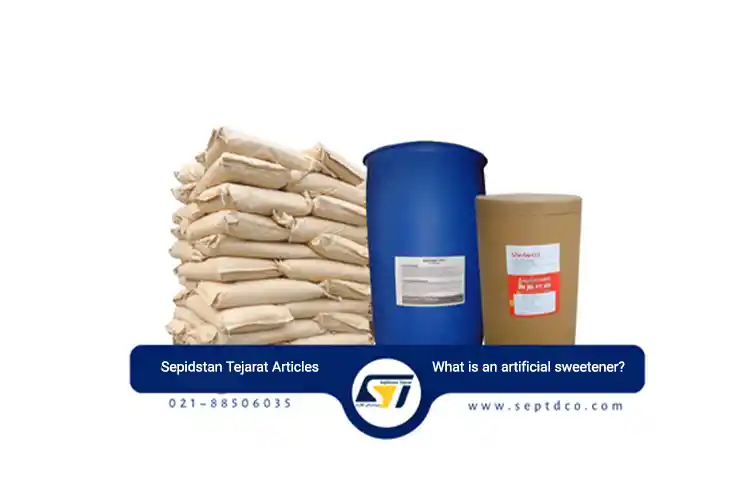
Artificial sweeteners refer to a group of compounds that have a high sweetness potency and create a desirable taste without increasing calories. These include a broad range of compounds such as aspartame, sucralose, acesulfame potassium, saccharin, and cyclamate, each widely used in the food industry according to their structure and properties. Alongside these, there is another group of low- or zero-calorie sweeteners, some of which are natural or semi-natural like processed stevia or sorbitol, often complementary in certain products. For companies like Sepidstan Tejarat involved in raw material supply, understanding the characteristics of these compounds is crucial.
Why Do Food Industries Use Artificial Sweeteners?
The demand to reduce regular sugar consumption and the market need for low-calorie products have elevated the use of artificial sweeteners in beverages, diet foods, chewing gums, desserts, flavored dairy products, low-sugar chocolates, and dietary supplements. Aspartame is very common in low-calorie drinks because its taste closely resembles sugar, while sucralose is favored for its high stability in cooking and baking processes. Sorbitol, a sugar alcohol, not only sweetens but also helps retain moisture in cakes, biscuits, and chocolates. Combining these sweeteners allows producing products with a sweet taste that have minimal impact on blood sugar levels.
Importance of Thermal and Chemical Stability in Sweetener Selection
Some sweeteners such as sucralose and acesulfame potassium are heat-stable and used in baked goods, pastries, sauces, and hot beverages. In contrast, aspartame is less heat-stable and better suited for cold drinks or formulations not exposed to high temperatures. Sorbitol, due to its alcohol structure, exhibits good resistance to heat processes and is used in semi-solid products like chocolate spreads. These properties help manufacturers choose the appropriate sweetener depending on the product type.
Common Artificial Sweeteners
Among widely used compounds in the food industry, each sweetener occupies a specific role:
- Sucralose: High sweetness potency and sugar-like taste used in beverages and baked products.
- Aspartame: Milder and more natural flavor, common in chewing gum and diet drinks.
- Acesulfame Potassium: Often combined with sucralose to improve flavor profile.
- Saccharin: One of the oldest artificial sweeteners, used especially in low-calorie products and diabetic formulas.
- Cyclamate: Used in some formulations to balance taste.
In addition, polyol sweeteners such as sorbitol, xylitol, and mannitol are widely applied, adding sweetness and contributing to the texture of products.
Semi-Artificial Sweeteners and Their Industry Role
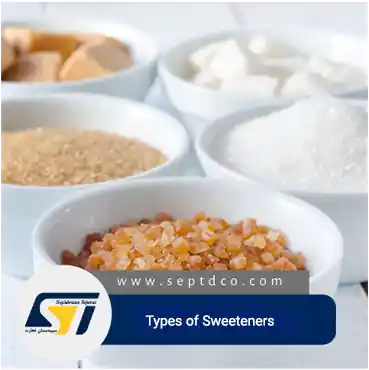
Semi-artificial sweeteners include processed stevia or sucralose blended with maltodextrin, enabling producers to achieve a more natural taste. Sorbitol, a low-calorie sugar alcohol, is widely used due to its moisture retention property in baked goods and diet products. These compounds, alongside fully artificial sweeteners, enable better texture, greater stability, and balanced flavor.
Flavor and Aftertaste Challenges in Sweetened Products
A key challenge in using sweeteners is managing aftertaste. For example, saccharin may impart a bitter or metallic aftertaste. To address this, blends combining sucralose and acesulfame with small amounts of sorbitol or stevia are used. This technique results in a more balanced flavor, sustained sweetness, and improved consumer experience. Manufacturers typically experiment with different ratios before finalizing formulations.
Solubility, pH Compatibility, and Stability Considerations
Sweetener solubility in water, compatibility with acidic environments, and light stability are critical selection criteria. Aspartame is less stable in highly acidic conditions, while acesulfame and sucralose perform better in such environments. Sorbitol, thanks to its alcoholic nature, dissolves well in many food systems and also aids in soft texture maintenance.
Safety Evaluation of Artificial Sweeteners
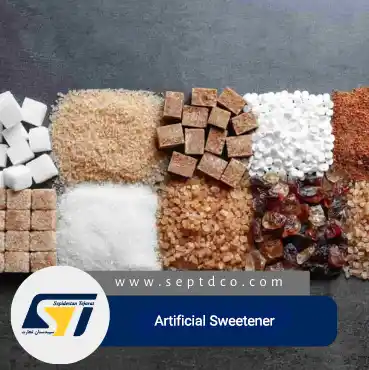
International groups including FDA, EFSA, and WHO have approved the safety of sweeteners like aspartame, sucralose, saccharin, and cyclamate within established acceptable daily intake (ADI) levels. Despite debates about excessive consumption, adherence to international standards and proper formulation ensures safety. These regulations support companies like Sepidstan Tejarat in supplying compliant raw materials.
Table of Acceptable Daily Intake (ADI) for Sweeteners
| Sweetener | ADI (mg/kg body weight/day) | Notes |
|---|---|---|
| Aspartame | 40 | Common in diet drinks, gum, and low-calorie products |
| Acesulfame Potassium (Ace-K) | 15 | Heat-stable, suitable for cooking and beverages |
| Sucralose | 5 | Very high sweetness, heat resistant |
| Saccharin | 5 | Oldest artificial sweetener, usage restrictions vary |
| Neotame | 2 | Very high potency, suitable for low-calorie products |
| Stevia (Steviol Glycosides) | 4 (based on steviol) | Natural sweetener, popular in drinks and dairy |
| Sorbitol | No established ADI, over 20–30 g/day may cause laxative effect | Used in sugar-free gum, confections, pharma |
| Mannitol | 50 | Used in gum, drinks, sugar-free products |
| Xylitol | No established ADI, over 40 g/day may cause laxative effect | Natural sweetener widely used in gum and dental products |
To purchase sorbitol and other sweeteners, please click here.
Applications of Sweeteners in Various Industries
Sweeteners are important not only in foods but also in pharmaceuticals, dietary supplements, energy drinks, mouthwashes, and medicinal syrups. Compounds like aspartame and sorbitol are used in chewable tablets and syrups for pleasant taste, while sucralose’s resistance to varying pH values makes it widely applicable in beverages and supplements.
Role of Artificial Sweeteners in Low-Sugar Product Development
With growing consumer health awareness, use of low-calorie and sugar-free sweeteners is increasing worldwide. Compounds such as sucralose, aspartame, and sorbitol enable creating diet products, light beverages, and diabetic-friendly foods. By providing sweetness without high calories, these substances play a crucial role in health-focused product formulations.
Summary and Sepidstan Tejarat’s Role in Sweetener Supply
Artificial and semi-artificial sweeteners are essential components of the food industry, especially in diet products, low-calorie beverages, reduced-sugar chocolates, and diabetic-friendly foods. Sweeteners like sorbitol, aspartame, sucralose, saccharin, cyclamate, and acesulfame each have unique properties influencing their selection according to formulation needs. Sepidstan Tejarat supports the food industry by supplying these materials with professional expertise, helping produce standardized, tasty products fitting market demands.
For purchasing chemical raw materials, stay connected with Sepidstan Tejarat.
If you want, I can prepare this as a formatted PDF or presentation for easier sharing and reference. Would you like me to do that?