
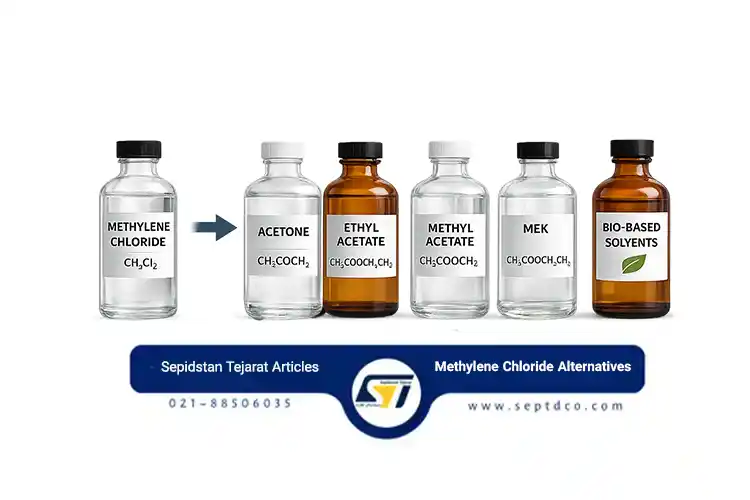
Methylene chloride, also known as dichloromethane (DCM), is one of the most widely used industrial solvents due to its excellent solvency power, fast evaporation rate, and compatibility with a wide range of industrial formulations. However, growing environmental concerns and health risks associated with prolonged exposure have encouraged many industries to seek safer alternatives. One of the most commonly suggested substitutes is acetone, but can acetone replace methylene chloride in every application?
In this article, we compare methylene chloride and acetone, discuss their advantages and disadvantages, and introduce other effective alternatives.
What Is Methylene Chloride?
Methylene chloride (chemical formula CH₂Cl₂) is a colorless, volatile organic solvent with a mildly sweet odor. It is widely used in industries such as paint manufacturing, adhesives, resins, pharmaceuticals, polyurethane foam production, industrial cleaners, paint strippers, and extraction processes.
Key Properties of Methylene Chloride
- Excellent solvency power
- Fast evaporation rate
- Non-flammable under normal conditions
- Capable of dissolving a wide variety of polymers and organic compounds
Despite these advantages, prolonged exposure to methylene chloride vapors may pose serious health risks, leading many countries to regulate or restrict its use in certain applications.
What Is Acetone?
Acetone (CH₃COCH₃) is one of the best-known organic solvents used in the paint, resin, plastics, pharmaceutical, cosmetics, and cleaning industries.
Its affordability, availability, and rapid evaporation make it one of the most widely consumed industrial solvents.
Advantages of Acetone
- Very fast evaporation
- Effective cleaning performance
- Lower toxicity than methylene chloride
- Cost-effective
- Miscible with water and many organic solvents
However, acetone is highly flammable, which limits its use in certain industrial environments.
Methylene Chloride vs. Acetone
Although both are organic solvents, they differ significantly in their physical properties and industrial performance.
1. Solvency Power
Methylene chloride offers stronger solvency than acetone and can dissolve many polymers, resins, and coatings that acetone cannot.
As a result, methylene chloride performs better in applications such as paint stripping and industrial extraction.
2. Safety
From a toxicity standpoint, acetone is generally considered safer when proper handling procedures are followed.
In contrast, methylene chloride may be absorbed through inhalation or skin contact and can cause headaches, dizziness, drowsiness, and serious health effects after prolonged exposure.
3. Flammability
One of the most significant differences is flammability:
- Methylene chloride: Practically non-flammable
- Acetone: Highly flammable
This distinction is particularly important in facilities where sparks or open flames are present.
4. Evaporation Rate
Both solvents evaporate quickly, but acetone generally evaporates faster.
While this accelerates drying in coatings and paints, it may reduce the contact time required for certain industrial processes.
5. Cost
In most markets, acetone is less expensive than methylene chloride, making it a more economical option for many applications.
| Property | Methylene Chloride (Dichloromethane) | Acetone |
|---|---|---|
| Chemical Formula | CH₂Cl₂ | CH₃COCH₃ |
| Solvency Power | Very High | Moderate to High |
| Evaporation Rate | High | Very High |
| Flammability | Practically Non-Flammable | Highly Flammable |
| Toxicity | Relatively High | Lower than Methylene Chloride |
| Cost | Higher | More Economical |
| Main Applications | Paint strippers, extraction, adhesives, resins, polyurethane foam | Paints, resins, cleaning, thinners, cosmetics |
| Environmental Profile | More Restricted | Generally More Favorable |
| Replacement Capability | — | Suitable for Selected Applications Only |
Is Acetone a Suitable Replacement for Methylene Chloride?
The answer depends on the application.
Acetone can successfully replace methylene chloride in many cleaning operations, equipment degreasing, and certain paint formulations.
However, in applications such as:
- Industrial paint strippers
- Dissolving specialty polymers
- Extraction processes
- Manufacturing specialty adhesives
acetone cannot fully replicate the performance of methylene chloride.
Therefore, compatibility with the formulation and production process should always be evaluated before substitution.
Other Alternatives to Methylene Chloride
Besides acetone, several other solvents may be appropriate depending on the application.
Methyl Acetate
Methyl acetate offers a high evaporation rate and lower toxicity than methylene chloride, making it a popular choice in paints and coatings.
Ethyl Acetate
Ethyl acetate is widely used in printing inks, paints, and adhesives. It has a relatively mild odor and good solvency.
Methyl Ethyl Ketone (MEK)
MEK provides excellent solvency and is suitable for many industrial applications, although it remains flammable.
NMP (N-Methyl-2-pyrrolidone)
NMP has been used as an alternative to methylene chloride in various industries. However, environmental and regulatory restrictions have reduced its use in many countries.
Bio-Based Solvents
Environmentally friendly solvents derived from renewable resources are becoming increasingly popular. They help reduce environmental impact while providing good performance in many industrial formulations.
| Alternative | Advantages | Limitations | Typical Applications |
|---|---|---|---|
| Acetone | Affordable, fast evaporation, lower toxicity | Highly flammable, lower solvency | Cleaning, paints, resins |
| Methyl Acetate | Fast evaporation, lower VOC emissions | Moderate solvency | Paints and coatings |
| Ethyl Acetate | Mild odor, effective solvent | Flammable | Printing, adhesives, paints |
| MEK | Strong solvency | Flammable | Adhesives, resins, industrial coatings |
| Bio-Based Solvents | Environmentally friendly | Higher cost in some cases | Green manufacturing and sustainable formulations |
Factors to Consider When Choosing a Replacement
Selecting the right substitute should not be based solely on price. The following factors should also be considered:
- Required solvency power
- Evaporation rate
- Toxicity level
- Flammability
- Compatibility with production equipment
- Environmental regulations
- Overall process cost
In many cases, a blend of multiple solvents may provide the best performance.
Methylene chloride remains one of the most powerful industrial solvents available. However, increasing health and environmental concerns have encouraged industries to explore safer alternatives. Acetone is often an excellent substitute because of its affordability, availability, and lower toxicity, but its lower solvency and high flammability prevent it from serving as a direct replacement in every application.
Selecting the most suitable alternative depends on the intended application, technical requirements, and workplace safety standards.
Sepidstan Tejarat supplies high-quality industrial solvents, acids—including phosphoric acid, citric acid, and others—as well as sweeteners such as sorbitol, xylitol, and more from reputable global brands. Our technical experts are ready to help you select the most appropriate solvent solution for your industrial needs.