
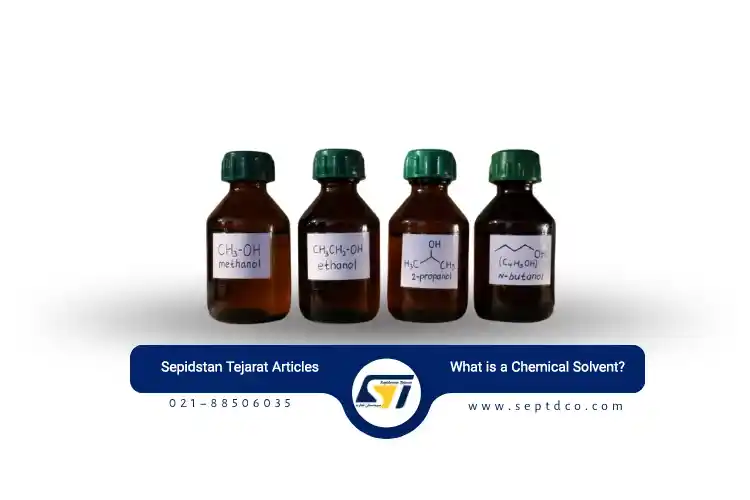
Solvent is a substance that dissolves other materials (usually solids, liquids, or gases) without chemically changing their structure. This property allows solvents to provide a suitable environment for chemical reactions, extraction, formulation, and dilution. Most solvents are liquids, but under certain conditions, they can also exist as solids or gases.
Solvents play a vital role in many basic industries such as paint manufacturing, pharmaceuticals, detergent production, petrochemicals, agriculture, and even the food industry. Choosing the correct solvent not only enhances process efficiency but also directly impacts the quality of the final product.
What is the Most Well-Known Chemical Solvent?
When it comes to the most well-known solvent worldwide, water is undoubtedly the first to mention. Due to its polar structure, water has a high ability to dissolve ionic and polar substances, which is why it is called the “universal solvent.” Furthermore, water plays an essential role in many biochemical reactions.
However, in chemical industries, especially in processes sensitive to water or requiring faster evaporation, organic solvents are used. Some of the most commonly used organic solvents include:
- Acetone: A very volatile and polar solvent, widely used in the paint and resin industry.
- Ethanol: A popular organic solvent in pharmaceutical and cosmetic products.
- Toluene and Xylene: Non-polar solvents suitable for resins, paints, and adhesives.
- Butyl Glycol: A dual solvent capable of dissolving both organic and aqueous compounds.
- Normal Butanol: A widely used alcohol solvent in coating and paint production.
- Acetic Acid: An organic solvent commonly used in food, chemical, and textile industries.
Are All Solvents Organic?
No, solvents can be organic or inorganic. However, the best classification of these materials is based on their polarity.
What is an Inorganic Solvent?
Inorganic solvents, or mineral solvents, refer to substances that lack a carbon structure and usually consist of simple mineral compounds. These solvents are used in various industries due to their specific physical and chemical properties.
Common Types of Inorganic Solvents
- Water (H₂O): The most widely used inorganic solvent, serving as a base solvent in many chemical, biological, and industrial processes. Due to its polarity, water can dissolve many ionic and polar compounds.
- Diluted Acids and Bases: Such as diluted hydrochloric acid (HCl), diluted sulfuric acid (H₂SO₄), sodium hydroxide (NaOH), and other strong bases that serve as solvents or reaction media in chemical processes.
- Other Mineral Solvents: Some mineral compounds like liquid ammonia (NH₃), hydrogen sulfide (H₂S), and certain ionic liquids are used as solvents under special conditions.
Characteristics of Inorganic Solvents
- High Polarity: Most inorganic solvents are polar and can dissolve ionic and polar substances.
- High Boiling and Melting Points: Compared to organic solvents, these solvents usually have higher boiling and melting points.
- Reactivity: Some inorganic solvents like acids and bases may participate in reactions themselves.
- Environmental Compatibility: Water is considered a green solvent, but some acids and bases can be corrosive and pollutants.
Types of Solvents Based on Polarity
Solvents can be primarily classified into two groups:
1. Polar Solvents
These solvents have molecules with partial electric charges and are suitable for dissolving ionic and polar compounds.
Examples of polar solvents:
- Water
- Methanol
- Ethanol
- Acetone
- Dimethylformamide (DMF)
- Dimethyl sulfoxide (DMSO)
2. Nonpolar Solvents
These solvents are suitable for dissolving nonpolar compounds such as oils, fats, and polymers.
Examples of nonpolar solvents:
- Toluene
- Xylene
- Chloroform
- Hexane
- Diethyl ether
- Benzene
Solvent Polarity Table
| Solvent | Type | Polarity Level |
|---|---|---|
| Water | Inorganic | Strongly Polar |
| Methanol | Organic | Polar |
| Ethanol | Organic | Medium Polar |
| Acetone | Organic | Polar |
| DMSO | Organic | Strongly Polar |
| Butyl Glycol | Organic | Polar-Nonpolar Mix |
| Normal Butanol | Organic | Medium Polar |
| Xylene | Aromatic Organic | Nonpolar |
| Toluene | Aromatic Organic | Nonpolar |
| Hexane | Organic | Nonpolar |
| Acetic Acid | Organic | Weakly Polar |
Solvents in Everyday Life
Solvents are widely used in many daily products:
- Water in beverages and cooking
- Ethanol in medicines, disinfectants, and perfumes
- Acetone in nail polish removers
- Toluene and xylene in paints and adhesives
- Hexane in oil extraction
Solvent and Solute
To better understand solvents, it is necessary to know the term solute as well:
- Solvent: The substance that dissolves another substance.
- Solute: The substance that is dissolved.
Example: In salt dissolved in water:
- Water is the solvent
- Salt is the solute
Solvent Supply by Sepidstan Tejarat
Sepidstan Tejarat Company, as a specialized supplier of chemical raw materials, offers a wide range of industrial and laboratory solvents with guaranteed quality and continuous supply capability to manufacturers and industries.
Popular products include:
- Glycerin
- Various grades of Acetone
- Mixed and pure Xylene
- Industrial Toluene
- Butyl Glycol
- Normal Butanol
- Acetic Acid
- Triethanolamine
- Methylene chloride
Services:
- Bulk sales
- Provision of valid and updated analysis certificates
- Fast delivery all over Iran
- Free consultation for selecting the appropriate solvent
Solvents are an inseparable part of chemical, pharmaceutical, cosmetic, food, and petrochemical industries. Proper knowledge of polar and nonpolar solvents, applications, and properties plays an important role in selecting the right raw material. Sepidstan Tejarat, with its experience and expertise, is ready to supply high-quality solvents to its valued customers.
For chemical raw materials and solvents, stay with Sepidstan Tejarat.
If you want, I can format this into a professional document or summary for easier sharing. Would you like that?